salakhalimunmountain.com – Before you lace up your boots and step into the deep green world of Salak Halimun, there is something the local communities quietly hope every visitor understands. This is not just a destination on a map, not merely a hiking challenge or a collection of waterfalls to tick off your list. Salak–Halimun is a living, breathing rainforest, a sacred landscape where nature, culture, and unseen forces coexist in delicate balance.
As someone who has grown up listening to stories whispered by elders and learned the forest’s moods through years of walking its trails, let me share what locals truly wish visitors knew before exploring Mount Salak, Mount Halimun, and Halimun–Salak National Park.
Salak Halimun Is Sacred, Not a Playground

For local Sundanese communities, Salak Halimun is a spiritual landscape. Certain areas are believed to be guarded by ancestral spirits, while others are respected as sources of life and protection. This is why you may notice offerings near trees, springs, or trail junctions.
One of the most respected zones is Leuweung Kolot — an untouched, ancient forest area where human interference is traditionally forbidden. Locals believe disturbing these zones brings imbalance, not only to the forest but also to those who enter without respect.
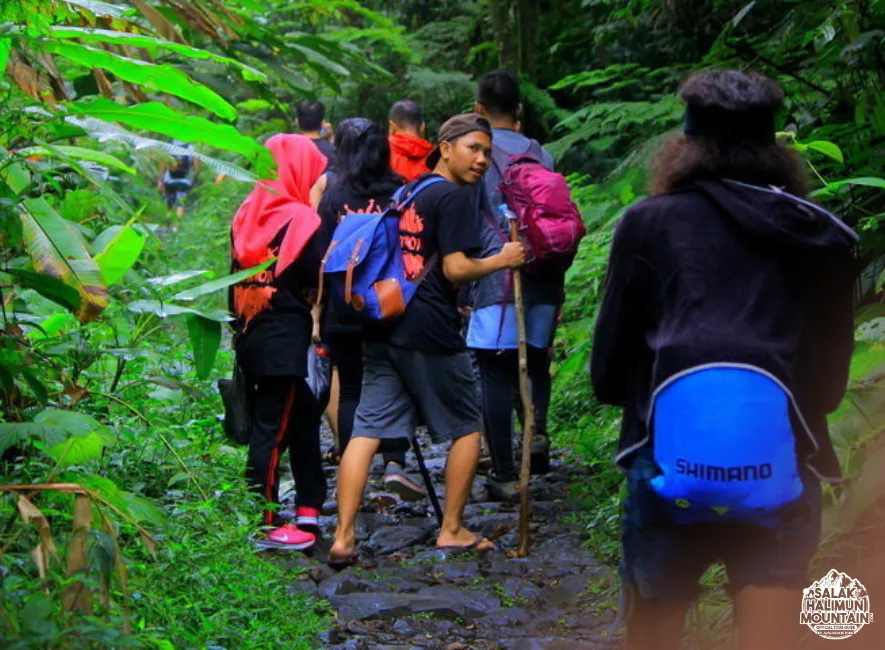
Visitors are not expected to share these beliefs, but respecting them is essential. Stay on marked trails, avoid entering restricted forest zones, and treat every step as if you are a guest in someone’s home.
Quiet Is a Form of Respect and Safety
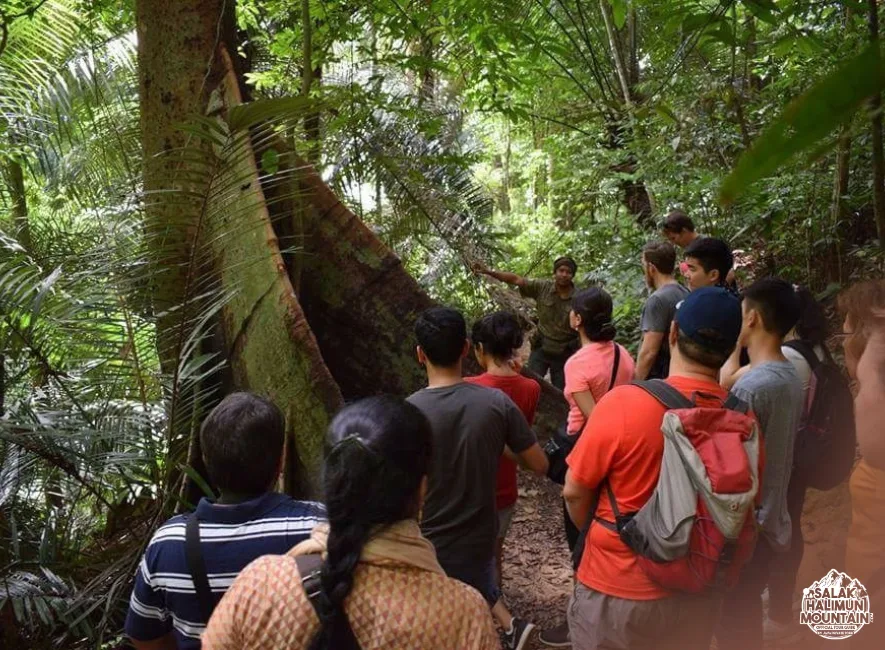
You may hear locals gently reminding trekkers to keep their voices low. This is not only about courtesy — it is deeply practical.
Why Silence Matters in the Rainforest
- Cultural belief: Loud noises are said to disturb forest spirits.
- Wildlife awareness: Quiet allows you to hear gibbons calling, hornbills flying overhead, or sudden movements that signal animals nearby.
- Navigation: Experienced guides read sound — the direction of water flow, distant rivers, or wind through the canopy — to orient themselves.
Salak Halimun is not a place for shouting triumph at the summit. It is a place for listening.
Hiring a Local Guide Is Not Optional
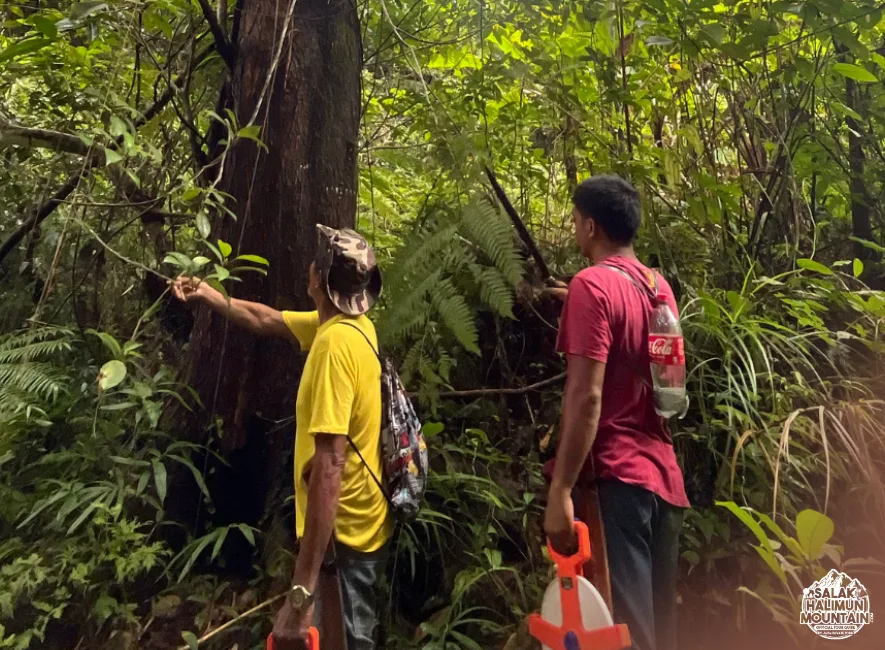
One of the most important things locals wish visitors understood is this: the trails of Salak Halimun are deceptive.
What looks like a clear path can vanish after rain. What seems like a shortcut can lead into dense undergrowth or unstable terrain. Unlike open volcanoes, Salak’s rainforest absorbs landmarks quickly.
How Local Guides Navigate Differently
- They read water patterns — streams always lead downhill toward known paths.
- They recognize subtle vegetation changes that mark old trails.
- They sense weather shifts before the mist thickens.
Visitors often rely on GPS. Locals rely on the forest itself.
This is why hiring a local guide is essential, not just for direction, but for understanding hidden dangers, sacred boundaries, and safe pacing.
Kawah Ratu Is Beautiful but Dangerous
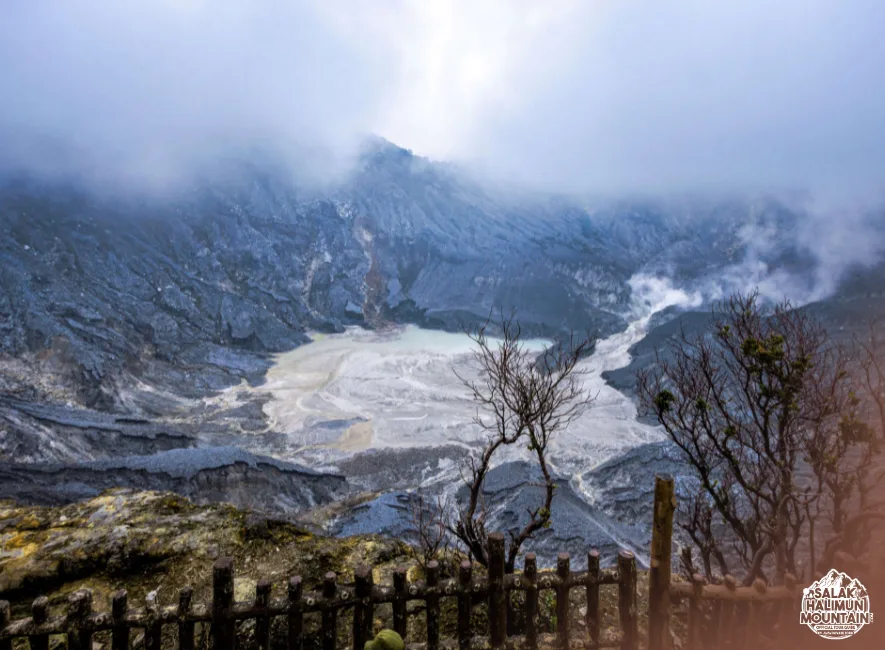
Kawah Ratu crater on Mount Salak is one of the most dramatic landscapes in the park — steaming vents, sulfur-scented air, and raw volcanic energy. But locals approach it with deep caution.
Poisonous Gases Appear Without Warning
Carbon dioxide and sulfur gases can collect in low areas, especially when wind conditions change. These gases are odorless and invisible and have caused fatalities in the past.
- Never approach the crater without an experienced guide.
- Avoid lingering in depressions or enclosed areas.
- If a guide signals to move quickly, do not question it.
The mountain gives beauty, but it demands respect.
Rain Is Part of the Experience
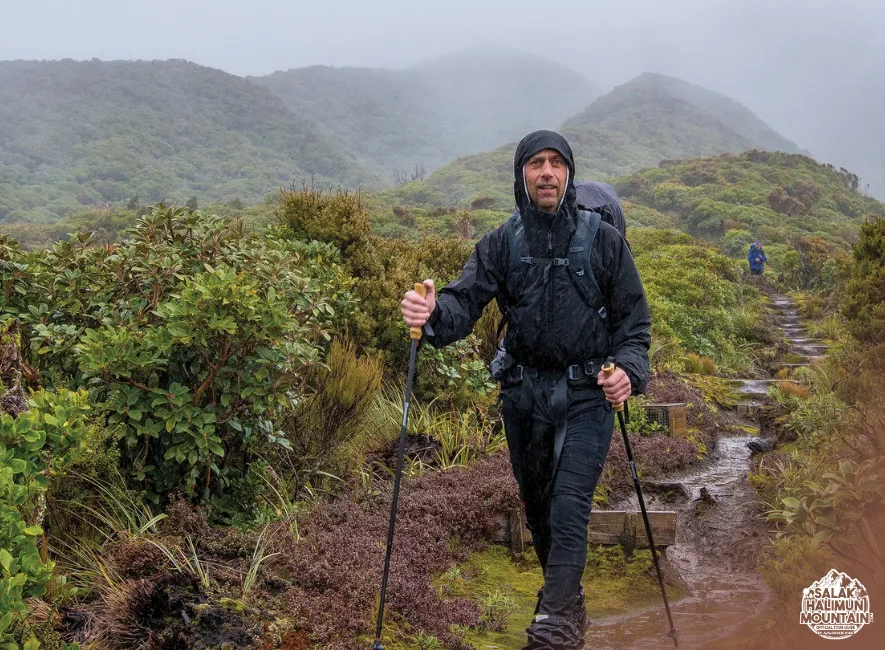
From October to April, Salak Halimun enters its wet season. Trails turn into flowing streams, roots become slick, and mist wraps the forest by midday.
What Locals Do Differently in the Rainy Season
- Start trekking early in the morning for clearer skies.
- Accept wet feet as normal.
- Follow guides who adjust routes based on water flow.
Trying to fight the rain only leads to frustration. Embracing it reveals the forest at its most alive — frogs calling, fungi glowing, waterfalls appearing overnight.
Pack Out Everything You Bring In
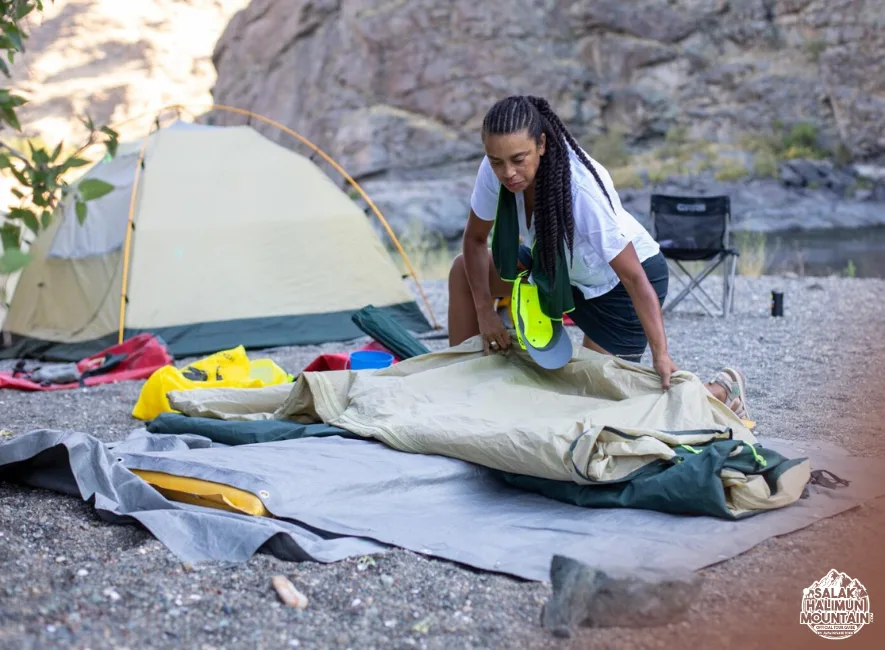
The rainforest of Salak Halimun is incredibly fragile. Organic waste does not “disappear” quickly here, and plastic can linger for decades.
Locals carry a simple rule: leave nothing behind except footprints, and even those fade.
- Carry all trash out, including food scraps.
- Avoid single-use plastics.
- Respect water sources by keeping soap and chemicals away.
Clean trails are a sign of respect to both nature and community.
This Forest Is Alive in Ways You May Not Expect
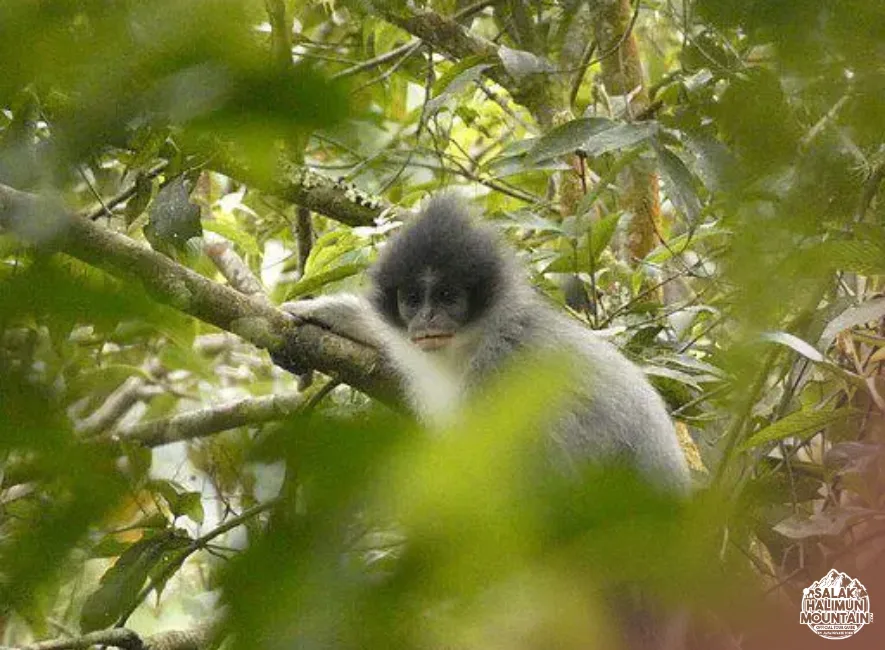
Salak Halimun is not a static landscape. Fallen trees become nurseries. Decay feeds new growth. The smell of damp earth is the scent of renewal.
Locals don’t rush through the forest. They stop, listen, and observe. This is how you notice:
- Gibbons swinging silently above the canopy.
- Hornbills gliding between emergent trees.
- Subtle shifts in temperature that signal weather change.
This is a place for connection, not conquest.
Staying Longer Reveals the True Salak Halimun
Day trips barely scratch the surface. Locals encourage visitors to stay in nearby villages or simple homestays.
By staying longer, you experience:
- Evening forest sounds and dawn mist.
- Traditional meals and stories shared over tea.
- A slower rhythm that matches the mountain.
These moments often become the most meaningful memories.
Choose Specialists Who Truly Know the Forest
Exploring Salak Halimun requires deep local knowledge. This is why working with a true specialist matters.
Java Private Tour is not a generalist travel operator. They are specialists who understand specific regions, ecosystems, and communities — including the complex rainforest environment of Salak–Halimun. Their approach prioritizes safety, respect, and meaningful connection, guided by people who genuinely know the land.
A Final Word from the Forest
Locals believe that Salak Halimun reveals itself differently to each visitor. Those who rush may see only trees. Those who slow down may feel something deeper — a quiet reminder that humans are only one small part of a vast living system.
So, if you’re ready to explore the wonders of Salak Halimun through local wisdom and deep respect, head over to our REQUEST PAGE and let’s start planning your adventure. Or you can simply CLICK THIS LINK to chat with us on WhatsApp. With Java Private Tour, you’re not just getting a guide; you’re gaining a friend who will ensure your trip is nothing short of extraordinary. See you in Java!